Chapter intro
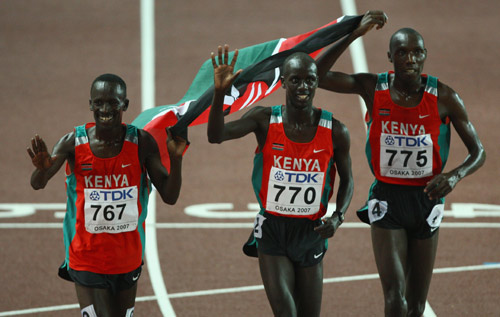
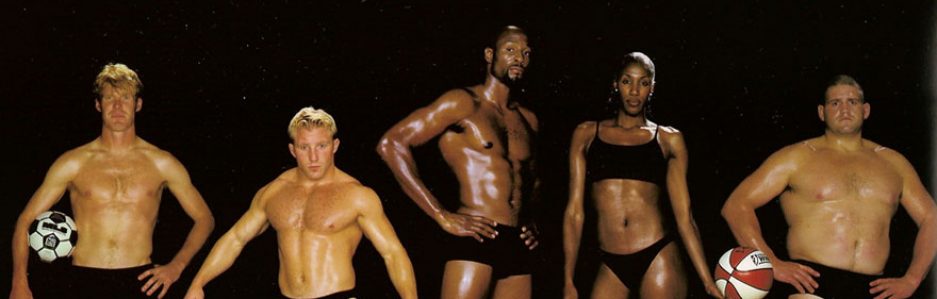
Have you ever noticed that there are certain body types in certain sports? Large and tall basketball players such as NBA All-Star Shaquille O’Neal, slim built athletes such as Kenyan Marathon Runners, and even a mix of the two; slimmer than a big athlete like Shaq, but having more muscle mass than that of a marathon runner: Floyd Mayweather and Usain Bolt are two athletes whose body types lie in the middle of the spectrum. Why do you think these athletes are successful? Their body type gives them the advantage for the particular sport in which they compete. However, how an athlete appears on the outside is just one factor contributing to their success. What’s on the inside, muscle fiber types, is as equally important and has a major impact on sport performance. Athletes will employ training methods which revolve around these genetic factors in order to train in the most efficient way possible and get the most benefit out of it, leading them to have a high rate of success in any goals they are trying to achieve. However, you do not need to be a pro athlete to train smart. In this chapter, I hope that you can understand your own body type and start to set a fitness goal based on it and then make sure that you’re goal is one that is relevant to you by acquiring the knowledge on fiber types and system strength that are included in the other chapters.

http://sites.psu.edu/afr110/wp-content/uploads/sites/14793/2014/12/Kenyan-runners.jpg 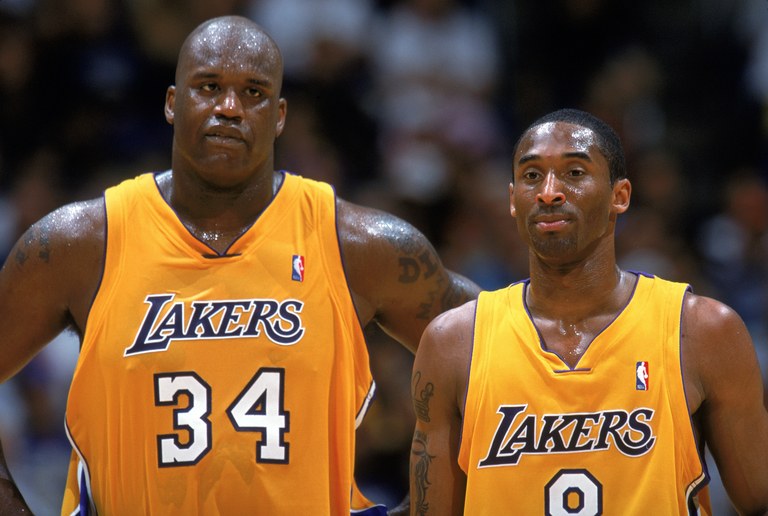
https://media.golfdigest.com/photos/5c12abc3596e7371141c7f1f/master/w_768,c_limit/GettyImages-50853348.jpg 
LAS VEGAS, NV – MAY 03: Floyd Mayweather Jr. smiles while taking on Marcos Maidana during their WBC/WBA welterweight unification fight at the MGM Grand Garden Arena on May 3, 2014 in Las Vegas, Nevada. (Photo by Harry How/Getty Images) 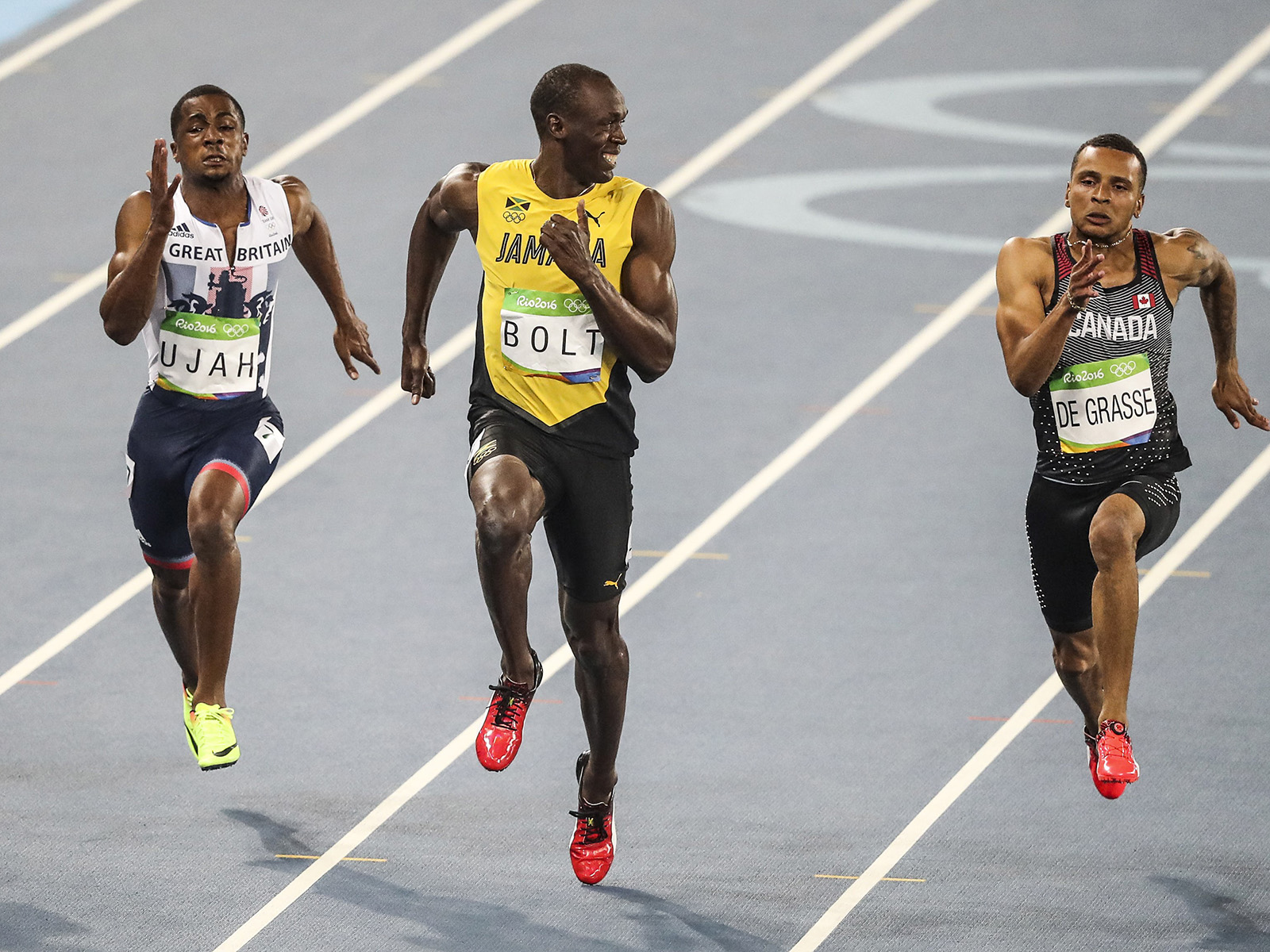
RIO DE JANERIO, BRAZIL – AUGUST 14: Usain Bolt of Jamaica (C) smiles as he looks at Canada’s Andre De Grasse (R) in the Men’s 100 meter semifinal of the Rio 2016 Olympic Games in Rio de Janeiro, Brazil on on August 14, 2016. (Photo by Salih Zeki Fazlolu/Anadolu Agency/Getty Images)
1.1 History


“What Is Your Body Type? Take Our Test!” reads the title of an article on bodybuilding.com, a website well known amongst fitness circles, trainers, and athletes alike. Tests such as these assess certain different physical attributes such as weight, height, age, shoulder width, wrist width, ability to gain and lose weight, etc., in order to determine one’s body type which can often be associated with physical characteristics as the ones forementioned. Many people take these simple tests online to find out what body type they may be and perhaps use it to influence their training and diet.
But what are the three body types and where did this idea come from?
In the 1940s, an American psychologist, William Sheldon during his time as the Director of the Constitutional Laboratory at the Columbia University College of Physicians and Surgeons (1), proposed a theory that there are three certain body types associated with certain personality characteristics (2), specifically human temperament (3) . The names of the three body types he came up with, ectomorph, mesomorph, and endomorph, come from the names of three layers of germ cells which are formed during embryonic development: the endoderm (develops into the digestive tract), the mesoderm (becomes muscle, heart and blood vessels), and the ectoderm (forms the skin and nervous system). Sheldon’s theory was known as a constitutional theory of personality, emphasizing a theory that personality traits were defined by a constitutional set of characteristics (constitutional meaning unchanging i.e. hereditary traits such as morphology, physiology, genes, endocrine functioning). Sheldon performed tests which he called somatotype performance types by taking over 4000 nude photographs of university students and classifying each into three distinct categories based on their physical structure: endomorphy – soft and spherical body, mesomorphy – a body that appears to be hard, rectangular, and muscular, ectomorphy – a body that appears to be linear, thin, and fragile. (4)
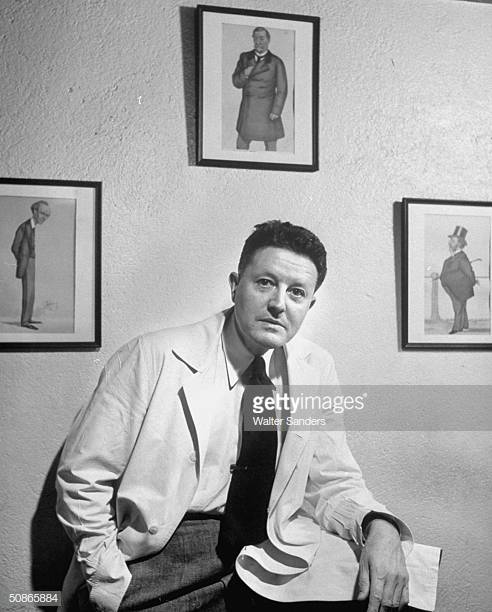
Circa 1950: Dr. William H. Sheldon, head of the Constitution Laboratory at Columbia Univ. (Photo by Walter Sanders/The LIFE Picture Collection/Getty Images)
Before all the tests that now exist online, Sheldon created his own test, rather a quantified score-based system out of seven to describe the extent to which one may be considered an endomorph, mesomorph, or ectomorph. With Sheldon’s system, the first digit refers to the endomorphy, the second refers to the mesomorphy, and the third refers to the ectomorphy; and each digit is on a one to seven scale, with one being very low and seven being very high (Encyclopedia Britannica, Dictionary.com, 2012). For example, a 1-7-1 somatotype would be extremely mesomorphic and strictly possess characteristics of a mesomorph, a “pure” mesomorph as Sheldon describes in his book Atlas of Men published in 1954. Sheldon claimed that these scores could somehow determine one’s personality. (5)
Sheldon’s “somatotypes” and their associated physical and psychological traits were characterized as follows:
- Mesomorphic: characterized as hard, rugged, triangular, muscular, thick-skinned, and with good posture; described as athletic, eager, adventurous, willing to take risks, competitive, extroverted, aggressive, masculine, macho, authoritative, strong, assertive, direct, forthright, blustering, dominant, tough, strict, fortunate, vigorous, energetic, determined, courageous, and ambitious (6)
- Endomorphic: characterized as fat, round, heavy, usually short, and having difficulty losing weight; described as open, outgoing, sociable, amiable, friendly, affectionate, accepting, happy, pleased, satisfied, laid-back, easily complacent, lazy, ungenerous, selfish, greedy, well-endowed, and slow to react. (6)
- Ectomorphic: characterized as skinny, thin, slender, slim, lithe, lanky, neotenous, flat-chested, lightly muscled, weak, fragile, delicate, and usually tall; described as intelligent, contemplative, melancholic, industrious, effeminate, submissive, inferior, perfectionist, quirky, idiosyncratic, sensitive to pain, soft, gentle, loving, helpful, placatory, calm, peaceful, vulnerable, humble, self-deprecatory, socially awkward, solitary, secretive, concealing, self-conscious, introverted, shy, reserved, defensive, uncomfortable, tense, and anxious. (6)

However, despite Sheldon’s numerous tests and popularity among a certain group of anthropologists, his theory was short lived and soon discredited by the scientific community at large as it was not quite a real theory, but rather merely based on his own assumptions and perhaps stereotypical influences that were popular in society at the time. (7)
Although Sheldon’s theory was discredited, the concept of the three body types still remains popular today among fitness circles and athletes alike.
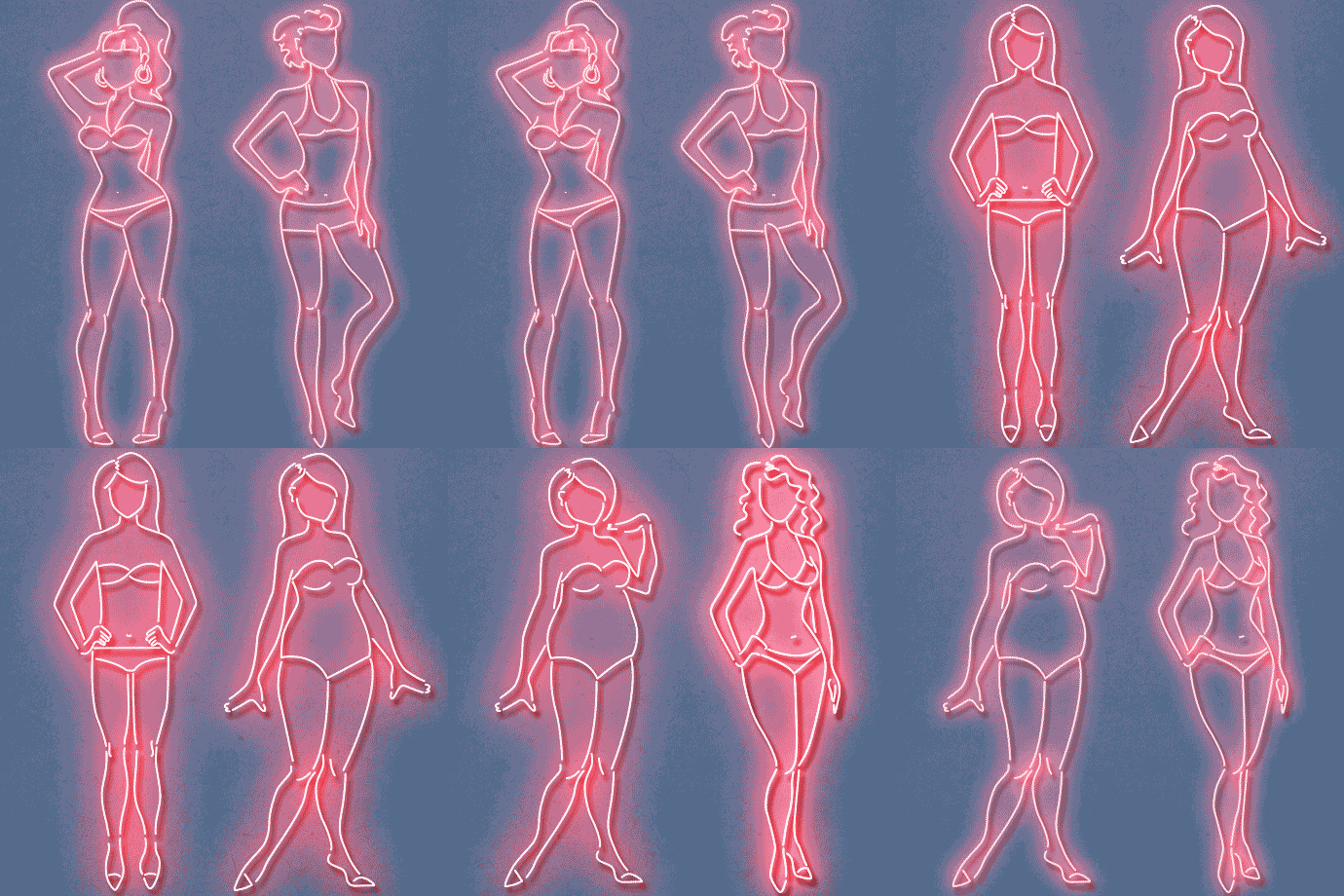
https://www.herworld.com/fashion/here%E2%80%99s-your-ultimate-guide-different-body-types-and-how-dress-them?slide=1 
image from https://dribbble.com/shots/5843552-Body-Type-Gif
1.2. Sport Application
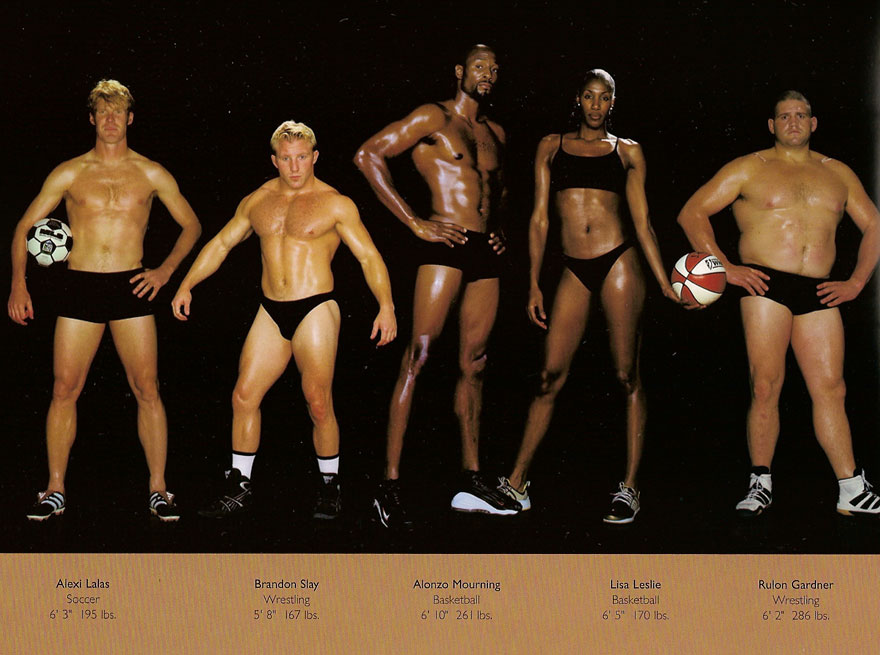
A 2015 study conducted by Gutnik et al. demonstrated that somatotyping can prove itself useful when it comes to sport performance. The purpose of this study was to determine the somatotype of high profile Lithuanian athletes in kayaking, basketball and football and to compare between disciplines and with low level sportsmen of the same age. A total of 72 young male sportsmen aged from 18 to 24 years were divided into three groups (kayakers, basketball and football players). Each group contained almost equal numbers of low level and elite, international level sportsmen. Anthropometric measurements of the players were used to establish somatotypes (8). It is obvious that the structural appearance of a person, or body shape, is determined by his or her genotype as influenced by their environment [8], [9], [10], [11], [12]. The quantification of morphological characteristics of high profile athletes can be a key aspect of relating body structure to sports performance [13].
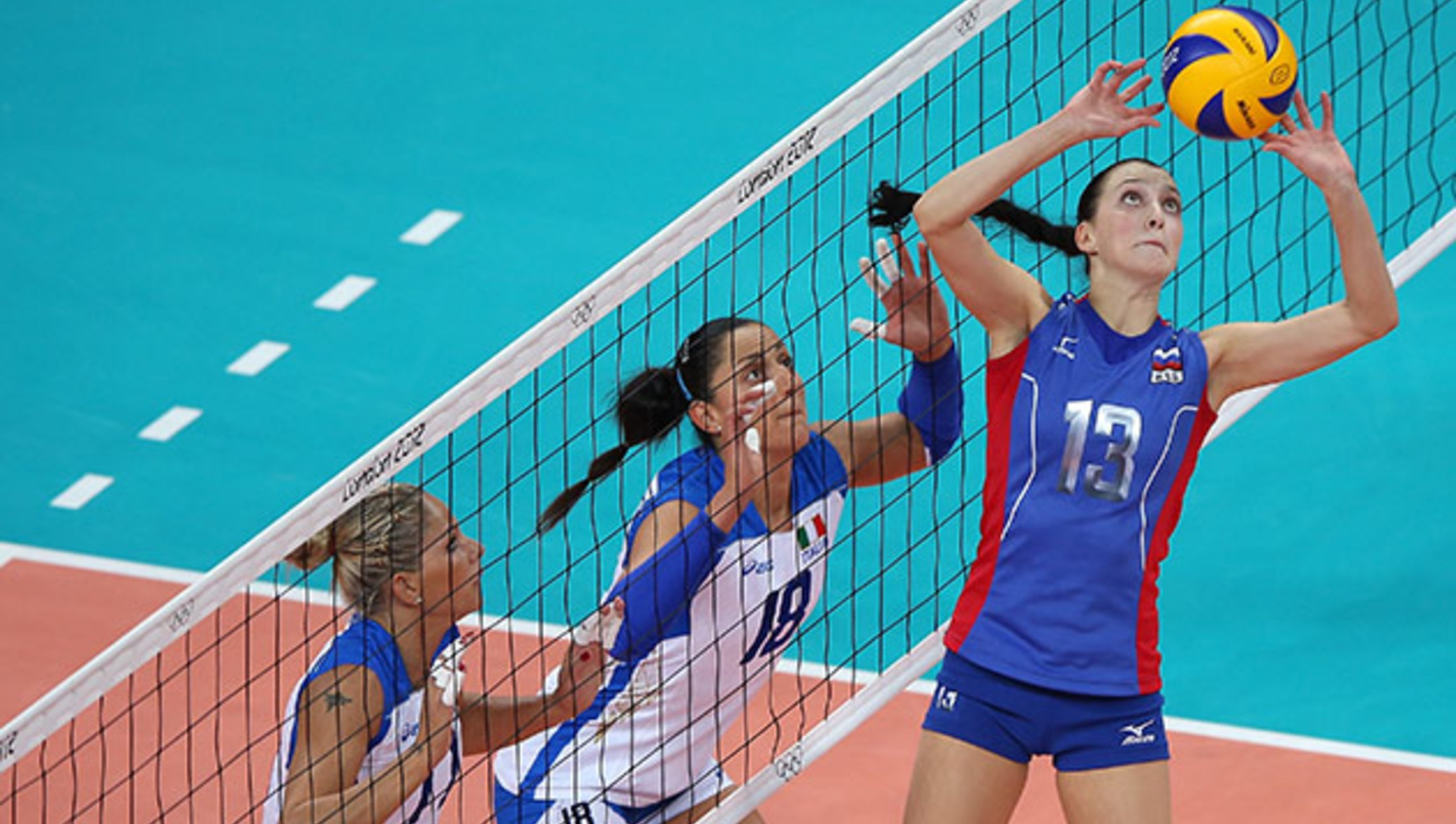
For example, while testing volleyball players, it was demonstrated that the ectomorphic and mesomorphic components of body physique, such as long limbs (arms, legs) and tall, strong stature, correlated significantly with values of maximal power measured during countermovement jumps. (14) Many of the world’s most dominant volleyball athletes are long and lean. This extra height empowers players with a greater presence at the net, whether attacking and executing spikes or performing blocks while defending. This additional length can also enable players to cover the court quicker and get greater power behind the ball. (15)
Basketball also requires the development of jumping abilities, which are associated with the expansion of large muscles of the lower extremities, pelvis and lumbar segments [16]. It has been clearly shown that the mesomorphic component increased the height of the vertical jump in athletes possessing the traits. [16]
From this study conducted by Gutnik and colleagues, it is evident that possessing a body type that is well suited to a certain sport, such as mesomorphy in basketball or ectomorphy in volleyball, can allow for greater performance results and prove itself to be advantageous to the athlete. From this, if one is looking to compete in a certain sport, knowledge of their body type will perhaps influence the sport that they choose as people tend to naturally gravitate towards things they can contribute the most to, implying that they are aptly well-suited to that position, provoking a sense of possible achievement or success which may act as motivation to continue with their athletic endeavors.
1.3 Applying The Idea of Body Types to Resistance training and food choices
When it comes to resistance training with the sole intentions of putting on muscle and/or lose fat, one’s body type will have less of an influence on the the methods of training. The concept of somatotyping is not as applicable to resistance training performance as it is to sport performance, making it true that body type will play a greater role in resistance training methods if one is supplementing resistance training to improve their performance in sport such as strength ability, improving core strength and balance, or endurance. These attributes correlate directly with the sport they are playing that is defined by their body type so they must adopt training methods that will be beneficial and in line with their sport performance.
For example, a volleyball player will not train for raw strength, but rather for power and explosiveness as they have to perform many explosive movements such as jumping (using hamstrings and glutes) and hitting the ball (using shoulders and core) in quick succession with high frequency throughout a match. Explosive deadlifts and dumbbell squats to press are two exercises that are often found in any volleyball player’s resistance training routine.
A volleyball player’s routine developed by San Diego University Women’s Volleyball Team assistant coach: https://www.theartofcoachingvolleyball.com/10-volleyball-specific-strength-exercises/
Another example is a long distance ectomorph runner who will not focus on the strength of their appendages, but rather their core so they can expend less energy due to their strong core allowing them to maintain proper upright form, reaching VO2 max later on. These athletes would perhaps include weighted core movements such as Russian twists with a medicine ball or hanging weighted leg raises from a bar to strengthen and condition their core.
But still, it should not be ignored that body type has an effect on and may even define one’s ability to put on muscle and lose or put on fat. An ectomorph can find it difficult to gain any form of mass whether it be fat or muscle which is why they are sometimes referred to as hardgainers. Meanwhile, mesomorphs can pack on muscle with ease despite their diet consisting of food low nutrient, high fat foods meanwhile still being able to maintain surprisingly low body fat percentages due to their metabolism still being relatively close to that of the ectomorph.
Endomorphs have slower metabolisms; their ability to gain muscle is better than an ectomorph but at the expense of putting on fat more easily. However, people are often combinations of body types. For example, a endo-mesomorph or ecto-mesomorph. (17)
It is best to imagine a spectrum when it comes to body type, with the two extremes, endomorph and ectomorph on the sides, and mesomorph in the middle. Everyone lies somewhere on the spectrum, it is not common for someone to be a pure endomorph or a pure ectomorph.
There are pros and cons of each body type so it is important that they are implemented when it comes to creating a weight training regimen that doesn’t have to necessarily supplement sport performance. If one’s goals are hypertrophy or toning via weightlifting, then they should pay attention to how their body responds to training as this may vary greatly depending where one lies on the spectrum for body type. Knowing your body type is just one half of the puzzle, seeing how your body responds is the other as there are many more genetic factors at play.
Nick Tuminello, winner of the National Strength and Conditioning Association’s Personal Trainer of the Year Award for 2016, says he could not remember which body type was which. (18)
“It’s not a mystery that genetics plays a role in training,” Tumminello said. “Genetic trainability comes in two forms: starting point and how you respond.” He explained that someone can have the appearance of being a skinny guy, as an example, but if he never trained then we don’t know his genetic destiny. He might be a “high responder.” If this skinny guy hits the iron his muscles might blow up. As another example, what Tumminello referred to as the true genetic freaks of the bodybuilding world are the ones who already looked muscular with no training, and were also high responders once they started training. (18)
His advice? “You try different things and see where it gets you.”
“Body types and predispositions are far more complex than three categories,” according to Alex Viada, a trainer and hybrid athlete . “The inherent complexity makes it sort of worthless to worry about. It’s difficult to know the limits of your fiber types, muscle attachment points, and so forth until you pushed yourself near your genetic limit, in which case I doubt you learn anything new by lumping yourself into a category.” (18)
“The principals of biomechanics and physiology don’t change based on genetics,” Tumminello said. “A biceps curl is a biceps curl. High load is high load. High reps are high reps. Going to failure is going to failure. None of those things change relative to your somatotype. What changes is the variance in your response to those stimuli.” (18)
Tumminello did explain that certain body types will self-select for certain kinds of activity. The lean and long-limbed person who naturally finds long-distance running to be easy will be more inclined to train to excel in that area. Vice-versa the person who is naturally strong may wish to find out just how strong they can get. (18)
Rather than worry over somatotypes, Tumminello says, “Let’s give it a go and see how your respond.” He said that variables such as exercise selection, rep ranges, sets etc. are “goal specific, not body specific.” What’s more, he added that “I’m going to fit exercise movements to whatever you demonstrate competence in. It doesn’t have to do with somatotype, but how well you move your body.” (18)
Brad Schoenfeld, a bodybuilder and assistant professor of exercise science at Lehman College in New York and publisher of numerous meta-analyses, refers to somotypes as “a very gross overview of someone’s genetic potential.” He further explained that “a pure ectomorph will have trouble putting on appreciable muscle and a pure endomorph will have trouble getting lean. But most people are combo types so this doesn’t have much relevance.” (18)
1.4 Conclusion
From this it can be concluded that if your goal is excellence and success in sport then your body type may have an influence on the sport which you play. However when it comes to resistance training and eating choices, the way you form the training regimen or should be goal specific not body specific. For example, if you want to lose weight then you will increase the volume (reps + sets) and do high intensity training and reduce caloric intake to ensure more calories are being burned.
There are more important factors at play when it comes to unlocking genetic potential such as fiber types and system strength which will be covered in the next chapters.
Sources:
- “Somatotypes.” Teaching Clinical Psychology – Somatotypes, users.rider.edu/~suler/somato.html.
- Sheldon, W. (1954). Atlas of Men: A Guide for Somatotyping the Adult Male at All Ages. Journal of the American Medical Association, 156(13), 1294. doi:10.1001/jama.1954.02950130076032
- Roeckelein, Jon E. (1998). “Sheldon’s Type Theory”. Dictionary of Theories, Laws, and Concepts in Psychology. Greenwood. pp. 427–8. ISBN 9780313304606.
- https://books.google.ca/books?id=6mu3DLkyGfUC&pg=PA427&redir_esc=y#v=onepage&q&f=false
- Kamlesh, M.L. (2011). “Ch. 15: Personality and Sport § Sheldon’s Constitutional Typology”. Psychology in Physical Education and Sport. Pinnacle Technology.
- Sheldon, William Herbert (1954). Atlas of Men: A Guide for Somatotyping the Adult Male at All Ages. New York: Harper.
- Wiley “Body Type”. Encyclopedia of Special Education: A Reference for the Education of Children, Adolescents, and Adults with Disabilities and Other Exceptional Individuals.. 2007.
- Malkin I, Ermakov S, Kobyliansky E, Livshits G. Strong (2006) ,association between polymorphisms in ANKH locus and skeletal size traits Hum. Genet 2006;120(1):42–51.
- Wilber RL, Pitsiladis YP., Kenyan and Ethiopian distance runners: what makes them so good? Int J Sports Physiol, Perform 2012;7(2):92–102.
- Marta CC, Marinho DA, Barbosa TM, Carneiro AL, Izquierdo M, Marques MC, Effects of body fat and dominant somatotype on explosive strength and aerobic capacity trainability in prepubescent children., J Strength Cond Res, 2013;27(12):3233–44.
- Peeters MW, Thomis MA, Claessens AL, Loos RJ, Maes HH, Lysens R, et al. Heritability of somatotype components from early adolescence into young adulthood: a multivariate analysis on a longitudinal twin study. Ann Hum Biol, 2003;30(4):402–18.
- Saranga SP, Prista A, Nhantumbo L, Beunen G, Rocha J, Williams-Blangero S, et al. Heritabilities of somatotype components in a population from rural Mozambique. Am J Hum Biol 2008;20(6):642–6.
- Orhan O, Sagir M, Zorba E. Comparison of somatotype values of football players in two professional league football teams according to the positions. Coll Antropol 2013;37(2):401–5.
- K. Buśko, J. Lewandowska, M. Lipińska, R. Michalski, A. Pastuszak Somatotype-variables related to muscle torque and power output in female volleyball players
- A.M. Silva, D.A. Santos, C.N. Matias, P.M. Rocha, E.L. Petroski, C.S. Minderico, et al. Changes in regional body composition explain increases in energy expenditure in elite junior basketball players over the season
- E. Rousanoglou, M.E. Nikolaidou, K. Boudolos Discrimination of young women athletes and nonathletes based on anthropometric jumping and muscular strength measures
- Ho, (2019, March 20)How Can You Design A Workout According To Your Body Type? Retrieved from https://www.bodybuilding.com/fun/wotw70.htm
- Fell, J. (2017, October 01). Endomorph-Ectomorph-Mesomorph: Why Body Types Are Bullshit. Retrieved from https://bodyforwife.com/endomorph-ectomorph-mesomorph-why-body-types-are-bullshit/

 Achieving Fitness Goals